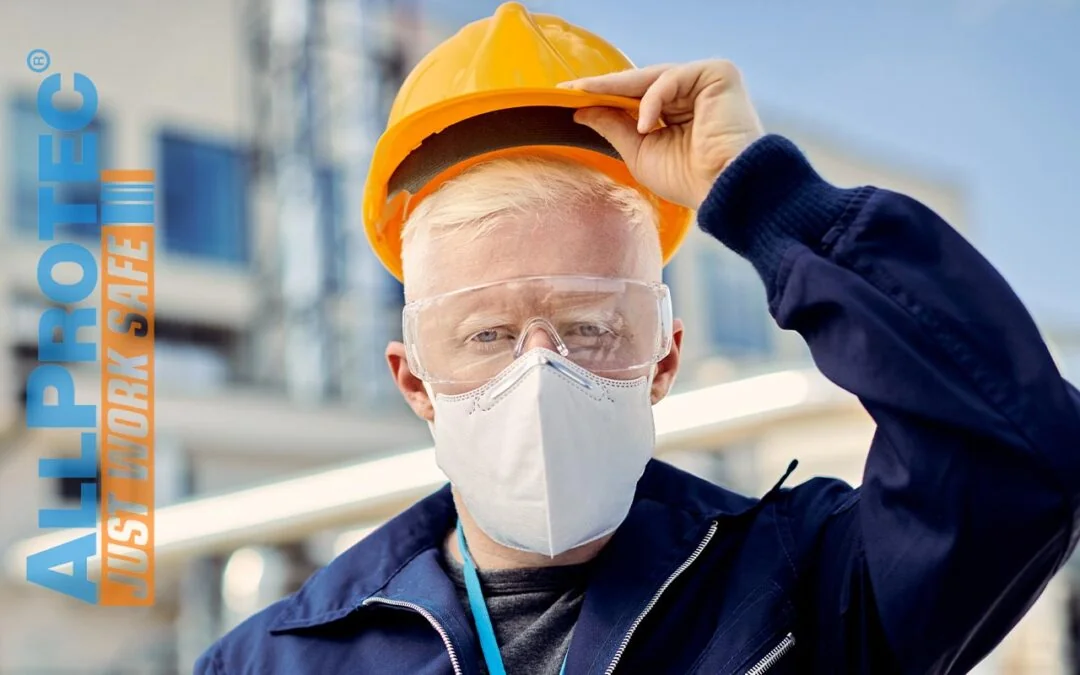
Schutzausrüstungen
Für Sie als unsere Kunden sind die Verfügbarkeit und der sinnvolle Einsatz von Schutz- ausrüstungen von großer Bedeutung. Schutzausrüstungen haben häufig einen „dual-use“-Charakter, d. h. Verwendung sowohl im medizinischen als auch im industriellen Bereich.Trotz hoher Lagerhaltung, vor allem in Schutzmasken, Einmalschutzkleidung und Einmalhandschuhen haben wir mit einer derart explosiven Nachfrage nicht gerechnet. Das gilt offenbar auch für viele andere Marktteilnehmer, wie die vielen Anfragen bei uns zeigen. Auch uns völlig unbekannte Anfrager platzieren plötzlich Orders für z. B. Millionen von Schutzmasken aller Typen. Hier ist allerdings das einzig Sinnvolle, Kunden mit einem ständigen Bedarf (und andere in absoluten Notsituationen) bevorzugt zu bedienen . Die Verfügbarkeit Schutzmasken aller Typen ist begrenzt auf Grund fehlender Lieferungen aus Fernost (in Europa gibt es nur zwei Hersteller von Bedeutung). Wer aufmerksam die Anwender von Schutzmasken im Fernsehen beobachtet, wird bemerken, wie häufig die Masken falsch eingesetzt werden. Eine FFP3-Maske schützt nur, wenn sie ganz eng am Gesicht anliegt. Sie schützt medizinisches Personal vor Ansteckung durch infizierte Patienten, ein Mundnasenschutz (MNS) wird meist völlig unzureichend angewendet (da MNS an den Seiten völlig offen ist).
Hinweise zur Anwendung
Hersteller und Inverkehrbringer geben hier die richtigen Hinweise zur Anwendung. Ebenso wird die richtige Anwendung von Schutzkleidung nicht beachtet. Vor allem das Ausziehen von Overalls nach Arbeiten in infizierten oder kontaminierten Bereichen ist problematisch. Es gibt hierzu ein Video für das richtige An- und Ausziehen von Overalls. Dabei gilt es zu vermeiden, dass die von außen infizierte Schutzkleidung den Träger nachträglich infiziert. Um das sicherzustellen, ist eine zweite Person als Helfer zwingend erforderlich und sowie die Mittel und Umgebung zur Dekontamination. Selbst bei Einmalhandschuhen gilt es besonders zu beachten, dass das Ausziehen nicht zu einer nachträglichen Infizierung oder Kontamination führt („richtiges Ausziehen von Einmalhandschuhen“). Schutzbrillen gehören auch zur Grundausstattung, da viele Infektionen über die Augen erfolgen. Bitte beachten: die Entsorgung aller Schutzausrüstungen muss nach der Verwendung entsprechend der geltenden Richtlinien durchgeführt werden.
Hygiene-Empfehlungen
Diese gehören zu den Prioritäten für einen wirksamen Schutz. Nach bisheriger Erfahrung siedelt sich das Coronavirus zunächst in den oberen Atemwegen an und sorgt dadurch in der Umgebung der infizierten Person für eine höhere Ansteckungsgefahr (dadurch ist die Infektionshäufigkeit erheblich höher als beim „klassischen“ SARS-Virus vor 16 Jahren). Noch wichtiger als die Handdesinfektion ist im Normalfall die regelmäßige Handhygiene mit Wasser und Seife. Zur Vermeidung einer Infektion ist es wichtig, sich nicht mit den Händen ins Gesicht, Augen, Mund und Nase zu fassen. Tröpfcheninfektion muss vermieden werden durch Abstand und „hygienisches“ Husten und Niesen.
Zukunftsaussichten
Eine Impfung gegen Corona gibt es zur Zeit nicht, obwohl weltweit daran geforscht wird. Es gibt einige bestehende Medikamente, welche möglicherweise geeignet sind, die Viruslast durch Covid-19 zu verringern. Hier ist zu nennen das als Malariamittel entwickelte Chloroquin (Resochin). Beim Malariaerereger handelt es sich jedoch um einen parasitischen Einzeller, keinen Virus. Es können hier jedoch keine Empfehlungen irgendwelcher Art gegeben werden, da es sich um rein medizinische Maßnahmen handelt.
Bei Fragen rufen Sie uns an. Wir lassen unsere Kunden nicht im Stich.
Stand 20.03.2020