2025 wird ein Jahr des Umbruchs in der Arbeits- und Schutzkleidungsbranche. Neue Ansprüche und Herausforderungen treiben die Entwicklung in der Workwear voran. Vier wesentliche Megatrends zeichnen sich ab: Sicherheit, neue Arbeitswelten, Nachhaltigkeit und Globalisierung. Diese Trends sind keine exakten Prognosen, sondern Szenarien, die eine strategische Ausrichtung bieten. Die Arbeitsschutz-Industrie steht vor einem Wandel – jetzt ist die Zeit, um den Weg in eine neue Ära aktiv zu gestalten.
1. Sicherheit auf neuem Level – und das Plus an Komfort
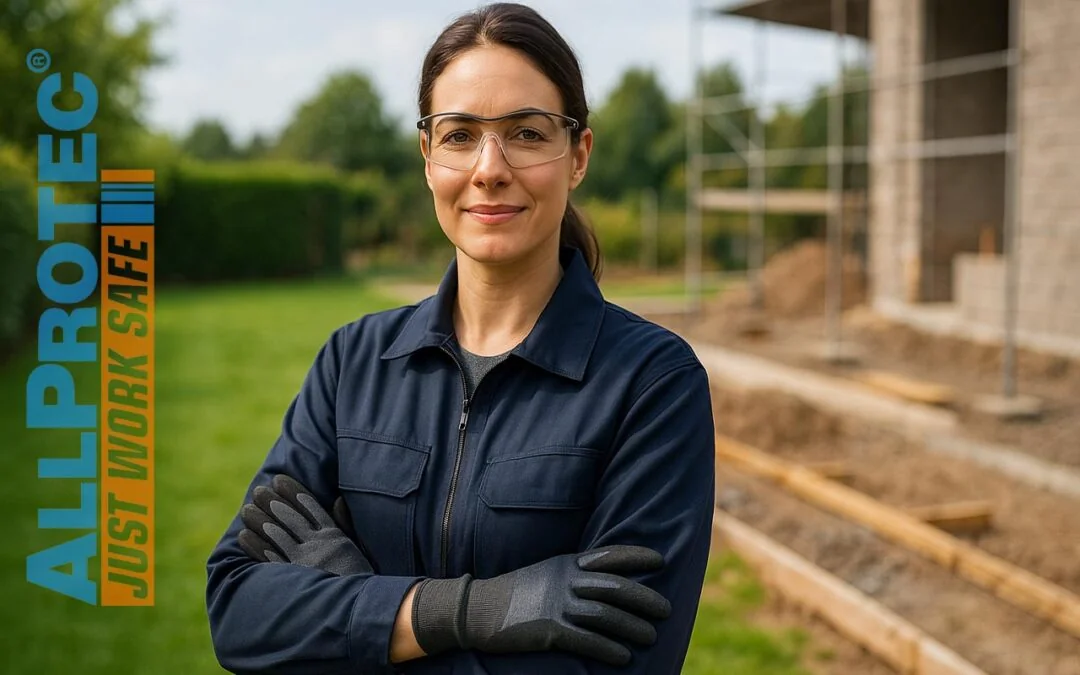
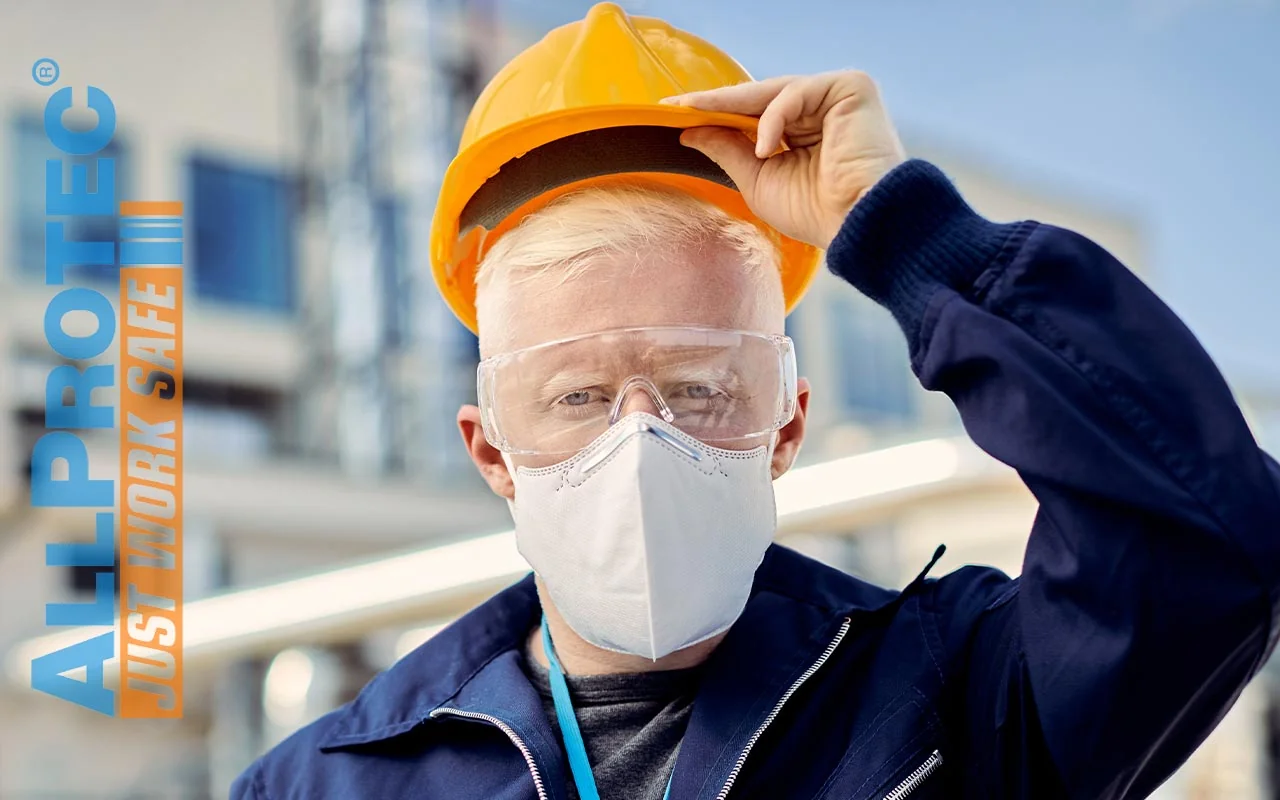
Sicherheit bleibt der Grundpfeiler im Arbeitsschutz, aber jetzt kommt der Komfort verstärkt ins Spiel. Mehr denn je legen Unternehmen Wert auf Schutzstandards, die den steigenden Anforderungen moderner Arbeitsumgebungen gerecht werden. Durch den zusätzlichen Fokus auf Tragekomfort steigt die Akzeptanz der Schutzkleidung deutlich. Das Ziel: Schutz und Wohlbefinden so zu kombinieren, dass Mitarbeitende optimal geschützt sind und sich gleichzeitig wohlfühlen.
„Unsere Zukunftsanalyse liefert keine starren Prognosen, sondern inspirierende Denkanstöße, um die strategische Richtung im Workwear-Bereich neu zu denken und zu gestalten.“ – Sonia Niedhart, Geschäftsführung Allprotec®
2. Nachhaltigkeit als Neo-Ökologie – Verantwortung für die Umwelt
Nachhaltigkeit, oft auch als Neo-Ökologie bezeichnet, setzt in der Branche wichtige Impulse. Lieferanten und Hersteller arbeiten daran, ihren ökologischen Fußabdruck zu verringern, sei es durch ressourcenschonende Materialien, Optimierung der Lebensdauer, Reduzierung des Verpackungsmaterials oder energieeffiziente Produktionsmethoden. Die Unternehmen in der Arbeitskleidungsbranche wissen: Eine nachhaltige Ausrichtung bedeutet nicht nur Innovation, sondern auch Verantwortung gegenüber zukünftigen Generationen.
3. Globalisierung und steigender Bedarf an Schutzkleidung
Die Auswirkungen der Covid-19-Pandemie sind in vielen Branchen noch spürbar, und die Nachfrage nach Schutzkleidung steigt weiter. Gerade in neuen Märkten wächst der Bedarf an funktioneller und zuverlässiger Kleidung für verschiedenste Einsätze. Diese Nachfrage wird durch strengere Regularien und die fortschreitende Globalisierung zusätzlich verstärkt, wodurch sich die Anforderungen an Schutzkleidung über Landesgrenzen hinweg harmonisieren. Ein zukunftsfähiger, globaler Arbeitsschutz benötigt Materialien und Designs, die universell einsetzbar sind.
4. Neue Arbeitswelten durch Automatisierung und Outsourcing
Die Automatisierung bringt nicht nur Effizienz, sondern verändert auch die Arbeitswelt – und damit den Bedarf an Schutzkleidung. Mit neuen Technologien entstehen neue Arbeitsprofile und damit auch neue Ansprüche an die Workwear. Vor allem hochwertige Schutzkleidung, die multifunktionale Anforderungen erfüllt, wird zunehmend gefragt sein. Da immer mehr Unternehmen Tätigkeiten auslagern, steigt der Bedarf an Schutzkleidung, die verschiedene Normen abdeckt und somit flexibel einsetzbar ist.
Fazit: Trends, die den Weg in die Zukunft ebnen
2025 wird die Branche der Workwear und Schutzkleidung nachhaltig prägen. Sicherheit, Nachhaltigkeit, Globalisierung und neue Arbeitswelten formen eine moderne Arbeitswelt, in der Komfort, ökologisches Bewusstsein und Effizienz Hand in Hand gehen. Das Wissen über diese Entwicklungen bietet Unternehmen eine solide Basis für strategische Entscheidungen. Es ist Zeit, Workwear neu zu denken und die Branche in eine sichere, nachhaltige und globale Zukunft zu führen – ganz im Sinne von Komfort, Schutz und Verantwortung.